

What is the best time to embark on a safari in Namibia?
[slim_seo_breadcrumbs label_home=”Matakwa Safaris”]
Namibia: The Secret Paradise for Safari Enthusiasts
Namibia is a Southern African country renowned for its breathtaking landscapes, abundant wildlife, and extraordinary safaris. With a population of approximately 2.5 million inhabitants, it stands as one of the least densely populated nations in the world. The climate is arid, offering around 300 days of sunshine annually, yet it varies by region: subtropical in the north, desert-like in the south and along the coast, and semi-arid in the remainder of the country. This climatic diversity is mirrored in the variety of landscapes: deserts, savannas, and woodlands. The Namibian fauna is particularly rich, especially in the renowned Etosha National Park, where wildlife encounters are truly remarkable.
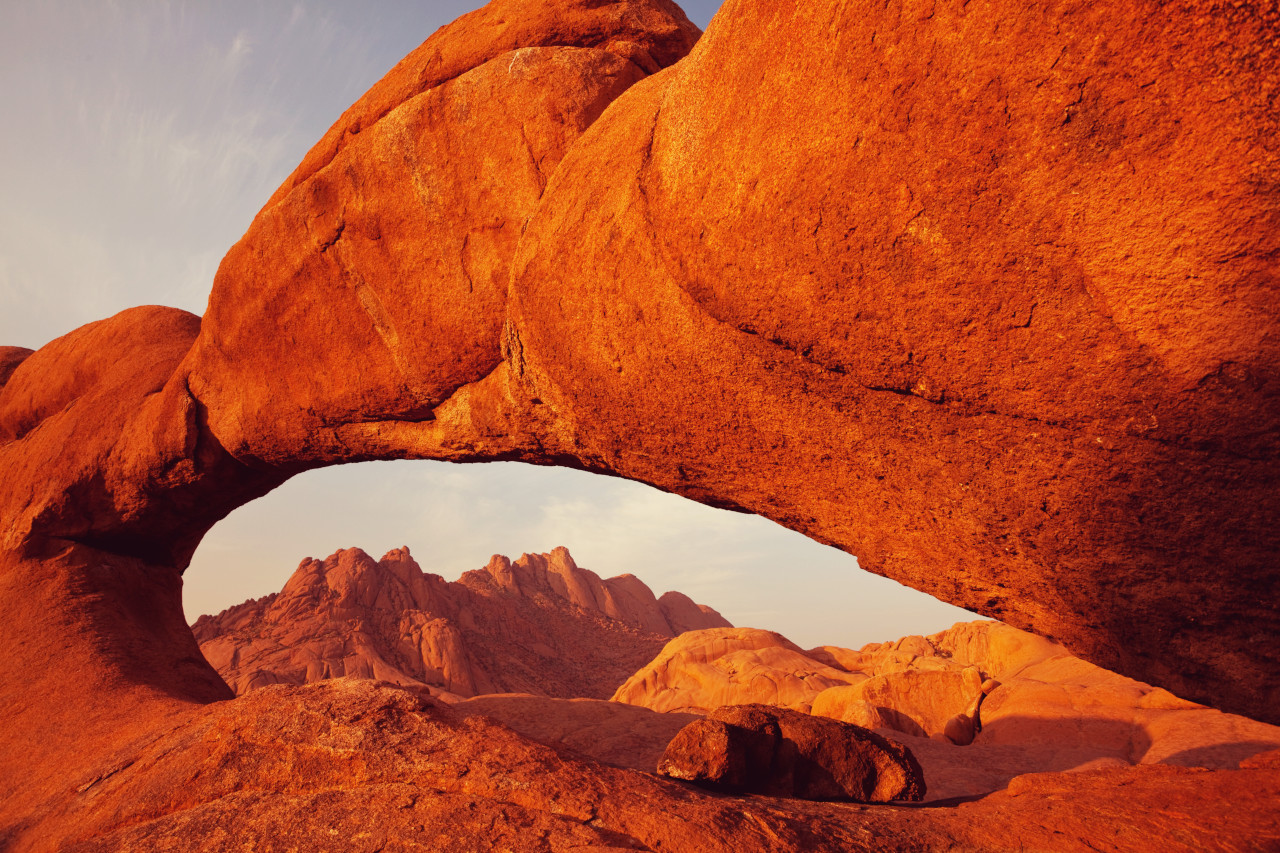
Understanding the Seasons in Namibia to Choose the Optimal Time
When planning a safari in Namibia, the timing is pivotal for experiencing an extraordinary journey. The seasons greatly influence wildlife observation conditions and the surrounding landscapes. Matakwa Safaris, leveraging its local expertise, guides travelers in making informed choices to maximize their chances of enjoying an unforgettable safari.
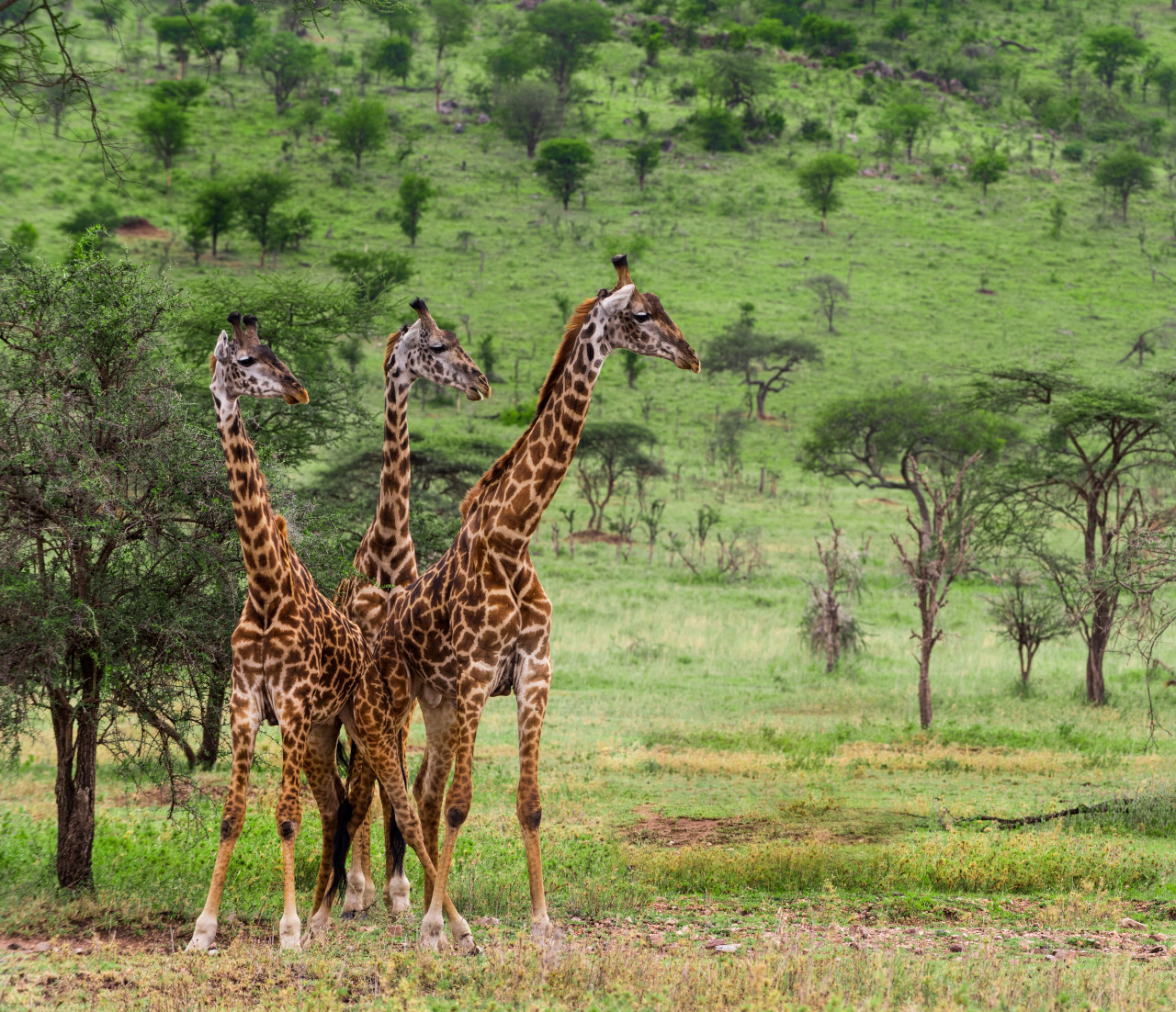
The Rainy Season in Namibia: An Unexpected Natural Spectacle
The rainy season in Namibia, typically spanning from November to April, drastically transforms the landscape of this usually arid country. This period is characterized by soaring temperatures, occasionally exceeding 40°C, and more frequent rainfall, particularly from January to March. While the rains are a welcome relief for the parched earth, they may render certain roads impassable, especially in the northeastern region. Nonetheless, this season provides a unique perspective on Namibia: the landscapes turn lush and verdant, creating a striking contrast to the country’s usual arid image. Despite less favorable conditions for traditional safaris, the rainy season unveils a different, more vibrant Namibia, often accompanied by more advantageous pricing for travelers.
Etosha National Park, a must-see during the dry season
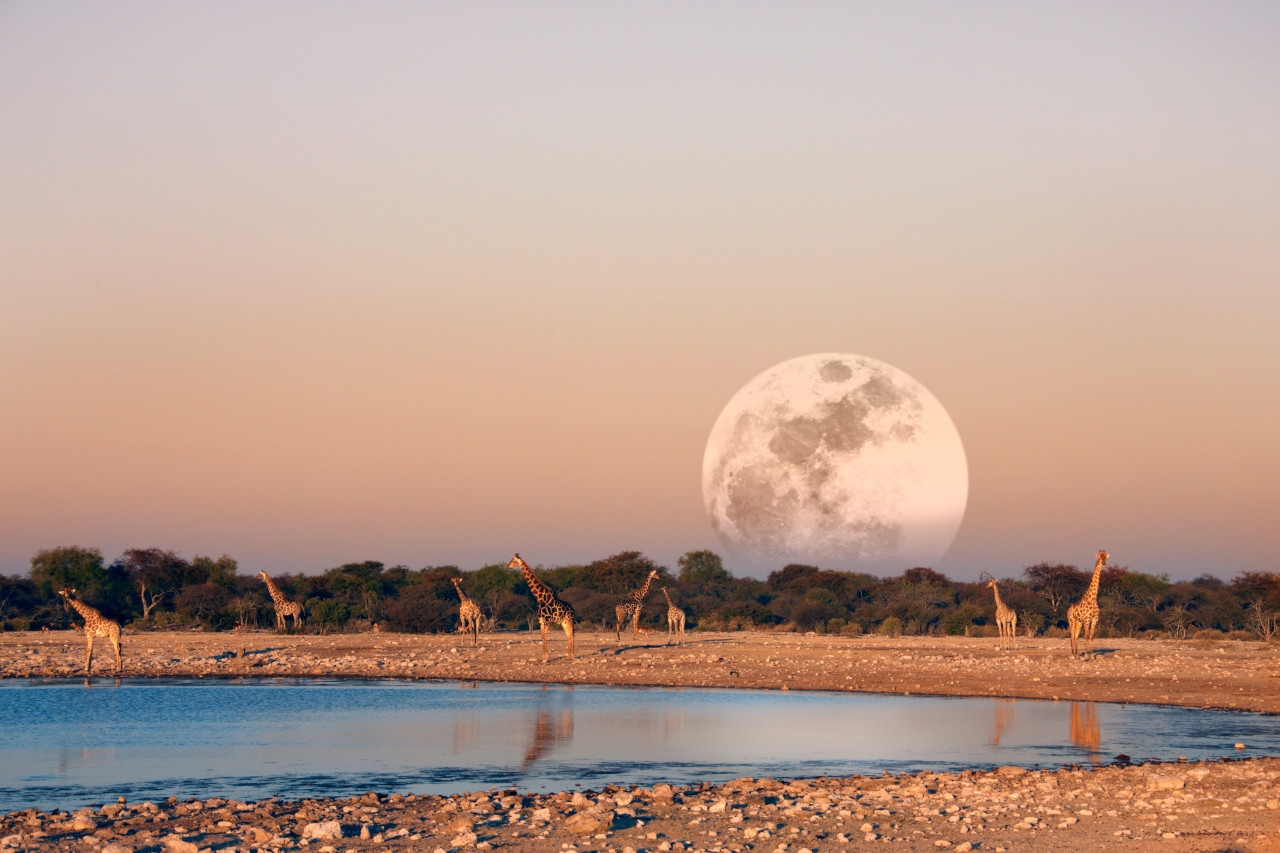
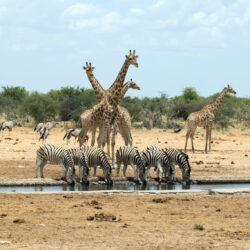
Matakwa Safaris recommends undertaking a safari in Etosha National Park during the dry season, which extends from April to November. Covering an area of 22,270 km², Etosha features a landscape dominated by the Etosha Pan, a vast, dried salt lake that becomes a hub for intense wildlife activity. During the dry season, animals congregate around permanent water sources, offering exceptional observation opportunities. It is the perfect time to spot the “Big Five” (excluding the buffalo), along with various other wildlife such as zebras, giraffes, and over 340 species of birds. The sparse vegetation significantly enhances visibility, transforming each safari into a genuine photographic adventure. Lodges and camps situated near waterholes, such as Okaukuejo, provide the chance to witness animals quenching their thirst. Matakwa Safaris facilitates unforgettable journeys into the wild heart of Namibia, merging local expertise, environmental respect, and thrilling adventures, allowing travelers to uncover the country’s natural wonders: the Namib Desert and wildlife-rich national parks.
Namibia: The Hidden Gem of African Safaris
Namibia offers a unique safari experience where the Namib Desert, savanna, and forest shelter extraordinary wildlife. The choice of season is vital for the journey: the dry season from April to November is ideal for animal observation, particularly in the majestic Etosha Park. An unforgettable expedition into pristine nature awaits.
You might also be interested in
What is the best time to travel to Namibia?
The optimal time to visit Namibia lies between the ideal dry season for safaris and the rainy season that brings lush landscapes…
Safari in Namibia or Tanzania?
Among the most sought-after destinations for this adventure, Namibia and Tanzania stand out for their breathtaking landscapes and exceptional wildlife. Which one to choose?
Where to land in Namibia for a safari?
Discover which airport to choose based on your itinerary, between Windhoek International Airport and domestic flights to Etosha or Sossusvlei.
How to get to Namibia from France?
Discover Namibia from France: flights, formalities, travel duration. Expert advice for an unforgettable stay.