

What are the risks in Namibia?
[slim_seo_breadcrumbs label_home=”Matakwa Safaris”]
Security Risks and Crime in Namibia
Although Namibia is generally safer than some neighboring countries like South Africa, it requires vigilance in major cities, particularly in Windhoek, the capital, and Swakopmund, a popular coastal resort. The incidence of theft, sometimes accompanied by physical assaults, is prevalent both day and night, and pickpockets often operate near ATMs, while credit card fraud is common.

Transport-Related Risks and Advice to Avoid Them
When preparing for a journey to Namibia, it is essential to consider transport-related risks. Indeed, statistics reveal that road accidents are quite common in Namibia, often due to driver recklessness and adverse road conditions. To minimize risk, it is strongly advised to adhere meticulously to speed limits, which are set at a maximum of 100 km/h on gravel roads (category “C” and above) and a recommended 80 km/h to mitigate dangers posed by exposed stones and animal crossings, particularly during nighttime driving, which is especially hazardous due to the presence of animals on the roads, drawn in and dazzled by the glare of headlights.
Health Risks and Vaccination
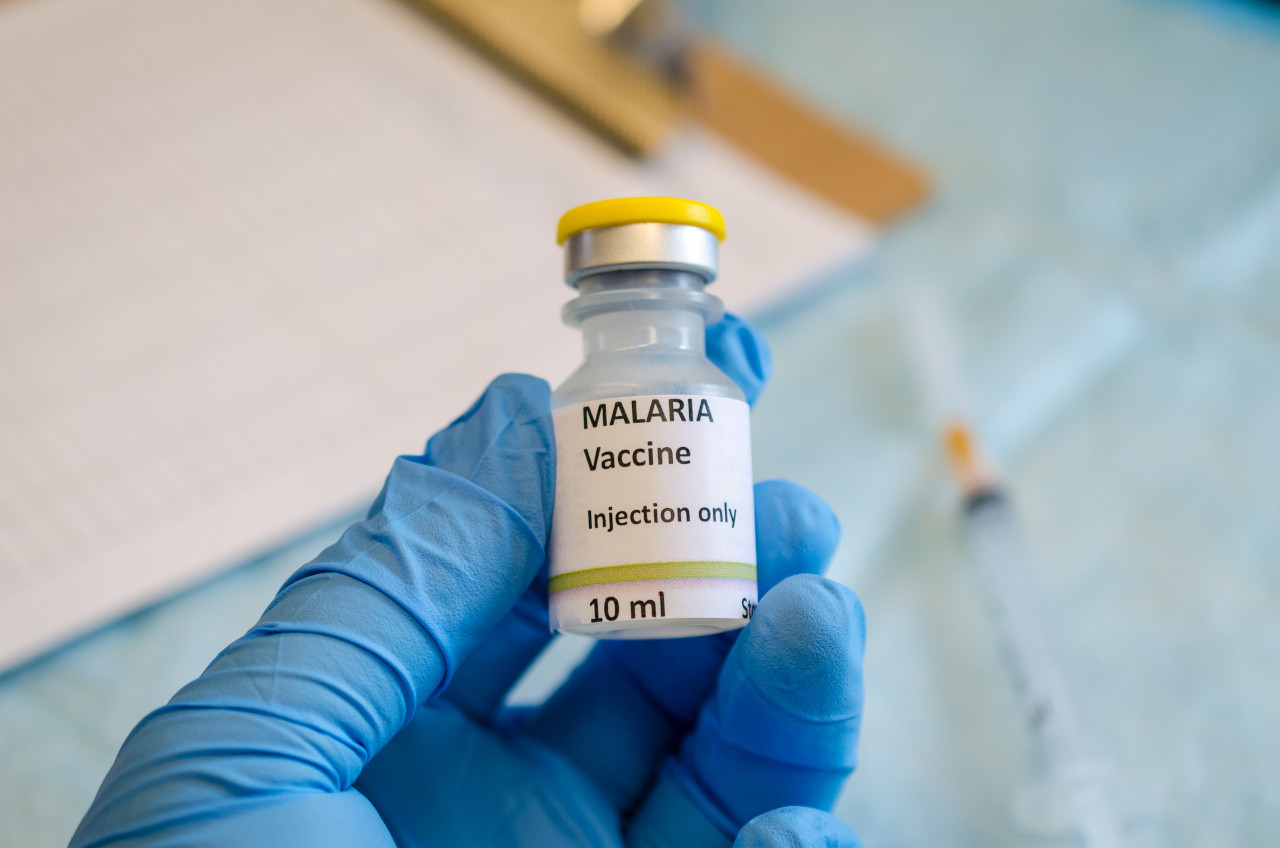
The health and safety risks for travelers must be considered when planning a trip to Namibia. Malaria, a disease transmitted by mosquitoes, is present in certain regions of the country, necessitating vaccination and precautions against bites. Hepatitis, a liver infection, can be contracted through the consumption of contaminated water or food. Additionally, travelers should exercise caution when handling both wild and domestic animals to avoid bites and scratches that may transmit diseases. Children are particularly vulnerable to health risks while traveling in Namibia. Thus, it is advisable to consult a physician and adhere to public health guidelines before embarking on a journey to Namibia.
Each Risk to Consider for a Safe Journey in Namibia
Although Namibia is generally a safe and stable country, certain risks related to security, transportation, and health must be taken into account when planning a trip. Vigilance in urban areas, adherence to road safety regulations, and consulting a physician to ensure proper vaccinations prior to departure will allow travelers to fully enjoy the natural wonders of Namibia while safeguarding their security and well-being.
You might also be interested in
How to get to Namibia from France?
Discover Namibia from France: flights, formalities, travel duration. Expert advice for an unforgettable stay.

What is the best time to travel to Namibia?
The optimal time to visit Namibia lies between the ideal dry season for safaris and the rainy season that brings lush landscapes…
How to pay in Namibia?
Discover the payment options available to tourists in Namibia: Namibian dollar, South African rand, cash, and bank cards. Practical tips for managing your budget during a trip to Namibia.
Where to land in Namibia for a safari?
Discover which airport to choose based on your itinerary, between Windhoek International Airport and domestic flights to Etosha or Sossusvlei.