

What are the mandatory vaccinations for Namibia?
[slim_seo_breadcrumbs label_home=”Matakwa Safaris”]
Vaccinations and Health Recommendations for Namibia
To fully enjoy a trip to Namibia, it is important to be aware of the necessary health recommendations and vaccinations. Matakwa Safaris, a specialist in Namibian safaris, is committed to providing clients with all the information needed to optimally prepare for their stay.
Mandatory Vaccinations for Namibia in 2024
In 2024, no vaccinations are mandatory for entry into the country from Europe, except for the yellow fever vaccine. Travelers who have stayed in at-risk countries or are passing through certain border areas must be vaccinated against yellow fever. It is always prudent to consult a healthcare professional before departure for recommendations tailored to your specific situation and itinerary.
Recommended Vaccinations for a Stay in Namibia
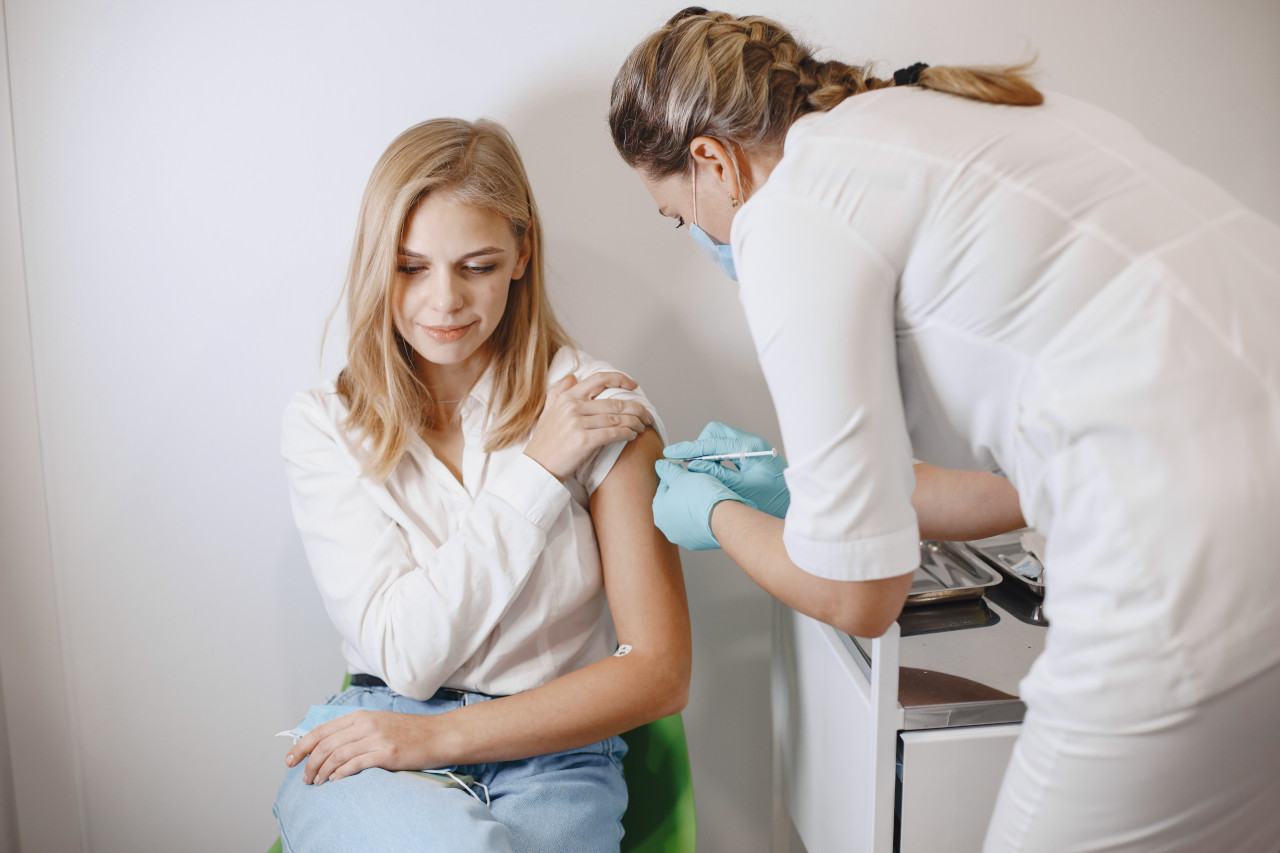
Prior to traveling to Namibia, it is advisable to consult a travel vaccination center to update your vaccinations. Vaccinations against hepatitis A and B, typhoid fever, poliomyelitis, tetanus, and diphtheria are generally recommended. It is crucial to check your vaccination card and take precautions regarding water and food consumption; rabies vaccination is advised for extended stays or trips to rural areas of Namibia, while dengue, for which no vaccine exists, necessitates rigorous protection against mosquito bites.
Malaria Prevention in Certain Regions
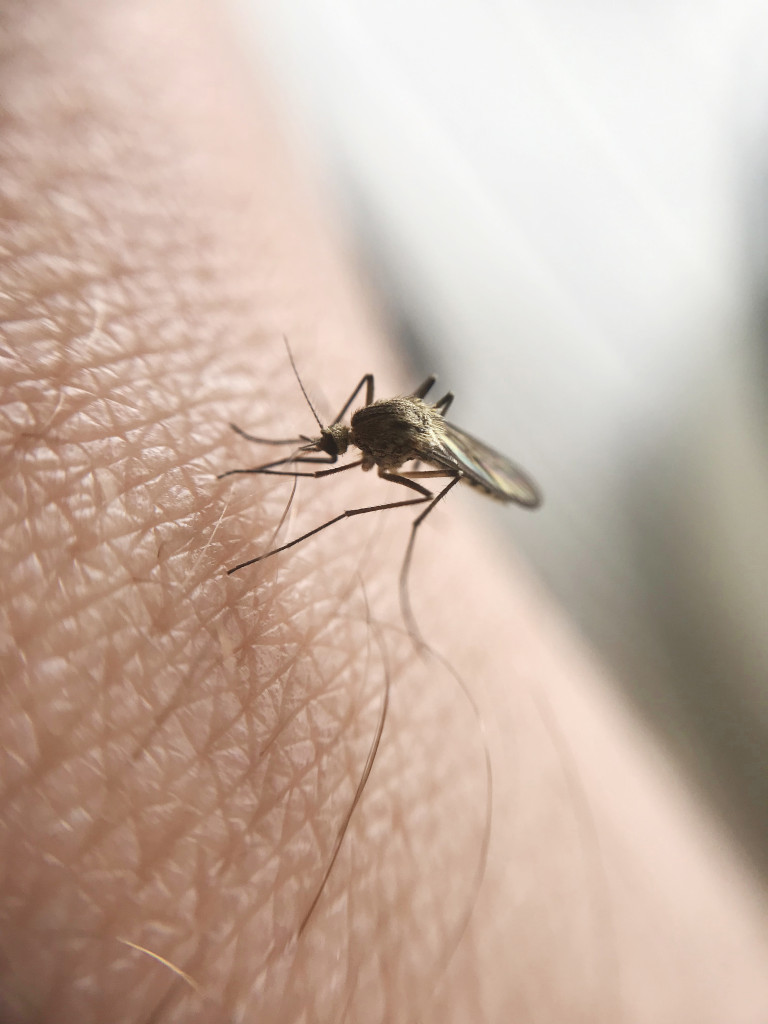
Malaria prevention in Namibia primarily concerns the northern third of the country, particularly during the rainy season. Preventive measures include protection against mosquito bites (repellents, protective clothing, mosquito nets) and, depending on the area and time, a preventive medication regimen such as Atovaquone-Proguanil or Doxycycline. The risk is higher in the Caprivi and Kavango provinces, where chemoprophylaxis is recommended year-round. The southern two-thirds of the country are considered low-risk.
Other Health Tips
Beyond vaccinations, Matakwa Safaris advises travelers to protect themselves effectively against insect bites (mosquitoes, flies) by using repellents and wearing protective clothing, especially at dawn and dusk. The team also emphasizes the importance of tailoring precautions to each itinerary, particularly for travelers venturing into the Namib or Kalahari deserts.
Finally, when traveling to Namibia with Matakwa Safaris, several health precautions should be considered: consuming only potable water, maintaining frequent hand hygiene, and protecting oneself from intense sun exposure. It is advisable to avoid walking barefoot, exercise caution with animals, and carry a well-stocked first aid kit. Comprehensive repatriation insurance covering medical expenses abroad is strongly recommended. Travelers on medication should bring their prescriptions and medicines in their original packaging. Swimming in stagnant water should be avoided. Lastly, it is essential to follow safety instructions provided by guides during safaris to ensure a safe and enjoyable experience.
Namibia: Essential Health Precautions Before Departure
Namibia offers a unique experience but requires meticulous health preparation. Vaccinations, malaria prevention, and protection against sun and insects are crucial. Follow the advice of your doctor and guide for a safe and memorable journey in this Southern African gem.
You might also be interested in

What are the risks in Namibia?
Discover the risks to consider when traveling to Namibia. Precautions against crime, accidents, and diseases.
How to get to Namibia from France?
Discover Namibia from France: flights, formalities, travel duration. Expert advice for an unforgettable stay.
How to pay in Namibia?
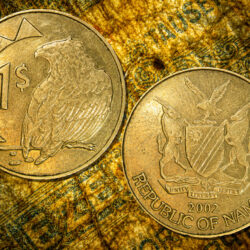
Discover the payment options available to tourists in Namibia: Namibian dollar, South African rand, cash, and bank cards. Practical tips for managing your budget during a trip to Namibia.
What is the best time to travel to Namibia?
The optimal time to visit Namibia lies between the ideal dry season for safaris and the rainy season that brings lush landscapes…